By James Whitford — Editor-in-Chief
Deepfake Threats in Banking Escalate as AI-Generated Fraud Hits UK Financial Institutions
UK banks are scrambling to deploy deepfake detection tools after a spate of AI-generated voice and video fraud attempts targeting high-value corporate accounts.
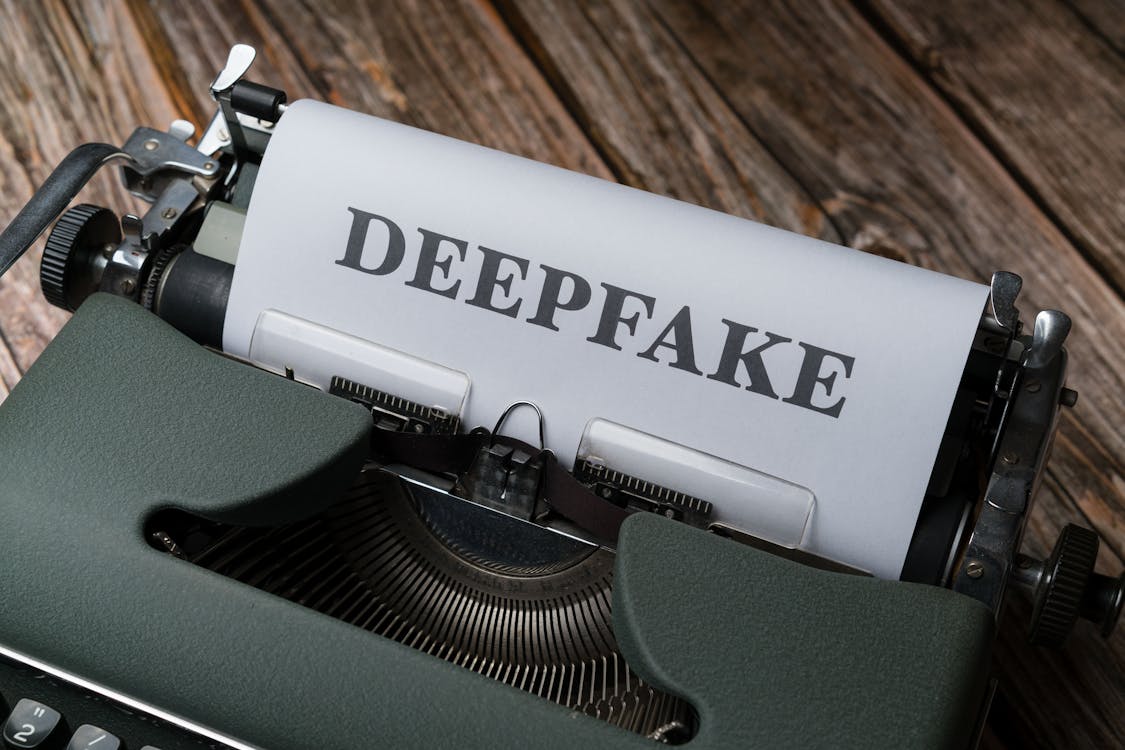
A wave of deepfake-enabled fraud attacks has struck the UK banking sector, with at least four major institutions confirming they have intercepted AI-generated voice and video attempts to authorise large corporate transactions in recent months. In the most high-profile case, a deepfake video call impersonating a FTSE 250 company's finance director was used to request a £22 million transfer, which was blocked only after the receiving bank's enhanced due diligence procedures flagged inconsistencies. The National Cyber Security Centre issued an advisory in December warning that commercially available AI tools have dramatically lowered the barrier to creating convincing deepfakes.
The threat has prompted a rapid response from the banking industry. HSBC and Standard Chartered have both deployed real-time deepfake detection software developed by UK-based startup Sensity AI, which analyses audio and video streams for artefacts invisible to the human eye. Barclays has partnered with Pindrop, a voice authentication specialist, to add AI-driven voice verification layers to its telephone banking and corporate treasury services. "The technology to create deepfakes has outpaced most institutions' ability to detect them, and that gap is where criminals are operating," said Henry Sherwood, head of cyber security at the British Bankers' Association.
Regulators are beginning to grapple with the implications. The FCA published a discussion paper in January 2026 exploring whether existing fraud prevention requirements adequately address synthetic media threats, and whether specific obligations around deepfake detection should be introduced. The NCSC has recommended that all financial institutions implement multi-factor authentication for high-value transaction approvals that does not rely solely on voice or video verification. Industry experts warn that as generative AI models continue to improve, the window for deploying effective countermeasures is narrowing rapidly.